


How to Plan a Balkan Tour: Route from Budapest to Dubrovnik, Duration, and Practical Information
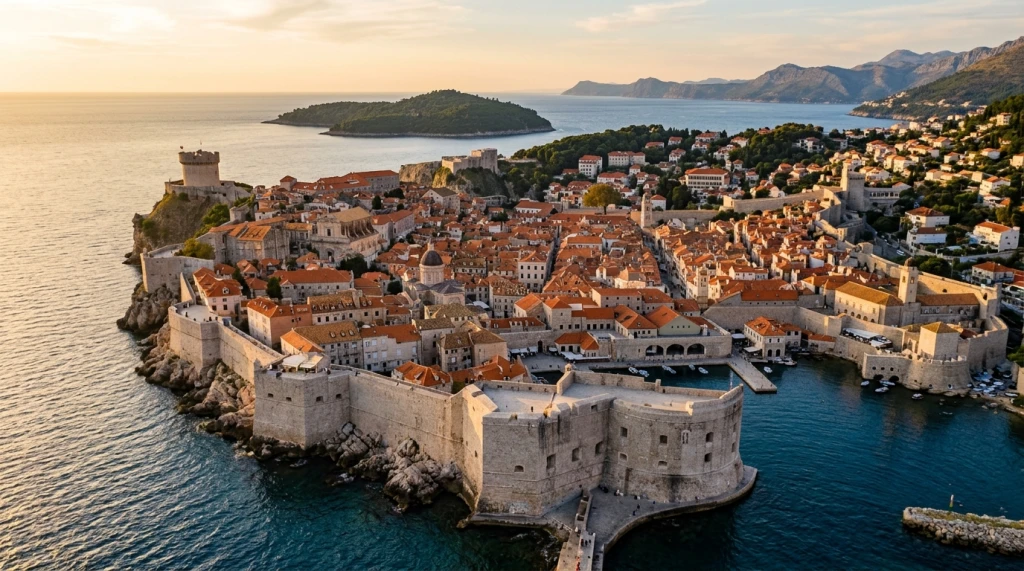
A Balkan tour still holds an ambiguous place in many travelers' minds: it is neither fully European nor fully Eastern, and this uncertainty often leads to postponement during the planning phase. However, the route stretching south from Budapest through Belgrade and Sarajevo to Dubrovnik is a region where different historical layers unfold one after another, and flight times from Turkey are quite short. In this article, you will find out how to sequence your route, how many days are realistic to allocate, and which stops might surprise you the most.
How to Structure the Route: North to South or Start in the South and Head North?
The most common mistake when traveling the Balkans is looking at a map, adding every city to the list, and then underestimating the distances between them. The Budapest – Belgrade – Sarajevo – Mostar – Dubrovnik line spans approximately 1,100 kilometers as the crow flies; road travel and border crossings significantly extend this duration.
Starting from the north and heading south—beginning in Budapest and ending in Dubrovnik—provides a logical flow. You transition from Budapest's urban and grand atmosphere to progressively smaller, steeper, and more Mediterranean settings. Spending your final day in Dubrovnik and flying back to Istanbul from there offers logistical convenience, as Dubrovnik Airport is a small but functional airport with direct connections to Turkey. If you prefer starting in the south, the same route can be traversed in reverse; however, returning by bus from Sarajevo or Mostar to Budapest can be exhausting.
How Many Days Are Enough: Realistic Time per City
For Budapest, a minimum of two full days should be allocated. On the first day, explore the Buda side — Castle Hill, Fisherman's Bastion, and Matthias Church; on the second day, visit the Pest side — the Great Synagogue, Andrássy Avenue, and the Dohány Street area in the late afternoon. Two days allow you to grasp the general outline of the city; more time adds comfort.
One full day is sufficient for Belgrade; extending to two nights is unnecessary unless required. Kalemegdan Fortress, Skadarlija Street, and the Danube riverbank (which is quite quiet outside July-August) capture the essence of the city. Sarajevo is a different case: Ottoman traces, Austro-Hungarian architecture, and the heavy weight of recent history intertwine here; I recommend allocating at least two full days, ideally three. Mostar is a one-day stopover; Stari Most bridge and its surroundings can easily be seen between noon and evening. For Dubrovnik, leave at least two days: walking along the city walls takes about two hours, and you need an additional afternoon to get lost within the Old Town.
Best Season: Hot Summer or Quiet Spring?
July and August are both the busiest and most expensive periods for Dubrovnik. The narrow streets of the Old Town receive tens of thousands of visitors daily; walking the walls before 8 AM or after 7 PM is almost mandatory. Budapest and Belgrade, however, can become oppressively hot in mid-summer.
Late April to early June offers the best balance regarding crowds and weather. Although the Adriatic may not yet be warm enough for swimming, the weather is ideal for exploring Dubrovnik on foot. September and October are also strong alternatives: the yacht season in Dubrovnik begins to wind down, prices drop somewhat, and the city gets a bit of breathing room. In winter, especially Dubrovnik and Mostar see fewer visitors; travel becomes quieter, but some restaurants and boat services may be closed.
Transportation: Choosing Between Plane, Bus, and Train
The entry point into the Balkans from Turkey is usually Budapest or Dubrovnik; these two airports have the most direct flights to Istanbul. Within the route, train usage is not as developed as in Western Europe; the Belgrade–Budapest train journey lasts several hours, sometimes exceeding eight. Instead, FlixBus or local bus companies may be more practical.
The Sarajevo–Mostar line is one of the most beautiful railway journeys in the Balkans: over a two-hour trip, you travel along the Neretva Valley. Do not miss this part by train. There is no direct train between Mostar and Dubrovnik; buses or rental cars are the most common options. Renting a car offers freedom, but you must account for waiting times at the Bosnia-Herzegovina–Croatia border crossings.
Key Points to Consider: Currency, Border Crossings, and Expectations
The Balkans do not form a single currency zone. Hungary uses the Forint, Serbia the Dinar, Bosnia-Herzegovina the Convertible Mark, and Croatia has used the Euro since 2023. You must pay attention to the currency at each crossing; while ATMs are common in major cities, cards may not always work in small towns.
Border crossings are the most unpredictable part of the route. The Bosnia-Herzegovina–Croatia border can involve long wait times during summer months; aim for early morning hours. Since Croatia is part of the Schengen area, entry conditions for Turkish passport holders differ from those for Serbia and Bosnia. I recommend verifying this information with current sources from the Ministry of Foreign Affairs and relevant embassies before your travel date, as rules can change.
Who Is This Suitable For, and Who Should Avoid It
A Balkan tour offers much to travelers who appreciate cultural diversity and understand that each city has its own unique character. Ottoman heritage, Austro-Hungarian influences, Yugoslav-era structures, and Adriatic coastal culture follow one another just a few hours apart by road. Therefore, it is a strong route for those interested in history and architecture, capable of walking an average of 8–10 kilometers per day, and prepared for variable conditions.
On the other hand, this route may be somewhat tiring for those seeking comfortable transfers and a fixed base of operations. Ten days filled with constant new cities and frequent accommodation changes may not feel restorative to everyone. Additionally, for travelers carrying large suitcases rather than backpacks, Sarajevo's cobblestone markets or Dubrovnik's steep, narrow streets can present practical challenges.
Practical Planning Summary
- Recommended duration: 10–12 days (Budapest 2, Belgrade 1–2, Sarajevo 2–3, Mostar 1, Dubrovnik 2 days).
- Best season: Late April to early June or September to October. July–August sees peak crowds in Dubrovnik.
- Entry/exit points: Entering from Istanbul to Budapest and exiting from Dubrovnik is logistically practical.
- Inter-city transport: Take the train for the Sarajevo–Mostar leg; buses or rental cars are functional for other segments.
- Currency: You may need to exchange at least three different currencies along the route; carry sufficient cash.
- Border crossings: Plan the Bosnia–Croatia crossing early in the morning; wait times during summer peaks are unpredictable.
- Visa and entry requirements: Check separately for each country and monitor updates from the Ministry of Foreign Affairs before traveling.
- Package tour option: If you prefer an organized tour over building the route independently, you can review programs matching your schedule via [[LINK]].
Final Check Before Starting the Route
When planning a Balkan tour, asking yourself these two questions is sufficient: How many days can I realistically allocate, and will staying in a new city every day overwhelm me? If you have less than 10 days, shorten the route—instead of trying to visit every city, deepening your experience in two or three locations offers a more peaceful and memorable trip. If time allows, this route will greet you as a journey that starts on the grand avenues of Central Europe and carries you to the harsh light of the Adriatic, changing tone with every crossing.
You can review suitable programs among international tour options covering this region.