


Practical Preparation Guide for First-Time Umrah Pilgrims
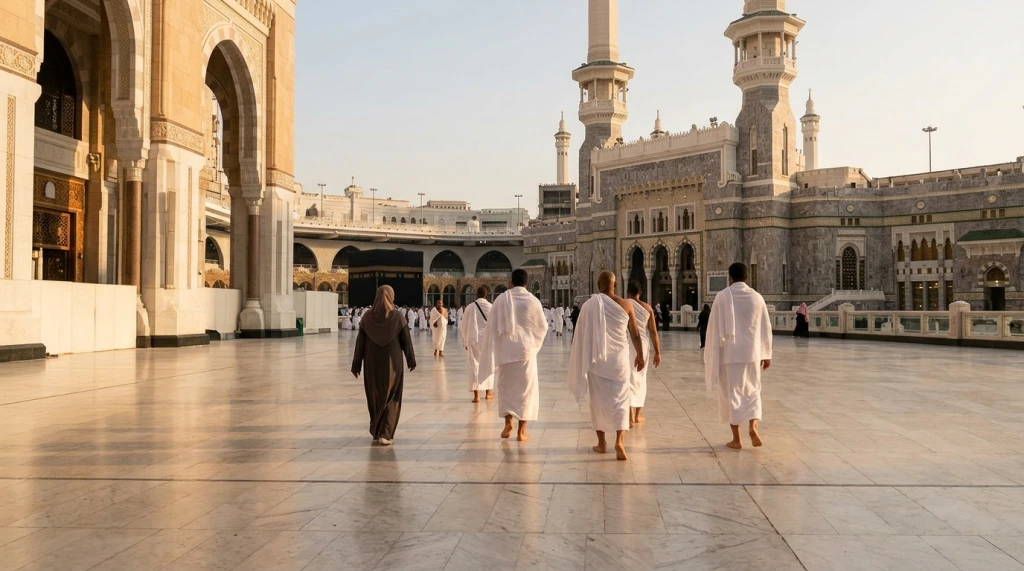
When planning Umrah, most people first think of religious preparation; but the journey itself also requires separate preparation. Dozens of practical questions arise, from flight times and hotel distance to what to wear in hot weather and the order of visits in Medina. This guide was written to answer those questions; its purpose is not to issue religious rulings, but to clarify the logistics and preparation process.
Which Season Is Best?
The climate of Mecca and Medina is very different from that of Turkey. In the summer months (June–August), daytime temperatures can reach 42–46 degrees; walking outdoors for long periods becomes difficult, especially for the elderly and those with chronic conditions. The winter months (December–February) are much more moderate in terms of temperature: 20–26 degrees during the day and cool at night. During this period, both the physical strain decreases and the crowds are relatively smaller. During Ramadan, the atmosphere is completely different: while the mosques are at their busiest, the spiritual intensity also reaches its peak; however, since tour options fill up quickly, reservations must be made well in advance. For first-time visitors, the period from November to January generally offers a more comfortable experience in terms of both weather and crowd levels.
Visa and Official Requirements
The Saudi Arabian Umrah visa is obtained through authorized travel agencies, not through individual applications. Passport validity requirements, vaccination requirements, and entry conditions may change from time to time. Rather than treating this information as definitive, be sure to check the current sources of the Embassy of Saudi Arabia or the Turkish Ministry of Foreign Affairs before traveling; the information may have changed after this guide was published.
Packing: What Is Really Necessary?
The most common mistake when packing is bringing too many clothes. Most hotels offer daily laundry service; three or four changes of clothes are enough for a five-day tour. The more critical items are as follows:
- Ihram: For men, two pieces of seamless white fabric; choosing high-quality, breathable fabric makes a significant difference over long hours. For women, a separate ihram garment is not required; stitched clothing that covers the head and body is acceptable.
- Non-slip, easy-to-remove shoes: You frequently take them off and put them back on when entering the mosque. Lace-up sports shoes make this routine more difficult.
- A small lockable pouch or waist bag: Essential for keeping your wallet and phone safe during tawaf.
- Sunscreen and lip balm: The climate is very dry; your skin and lips may struggle until they adapt to the climate.
- A thin scarf or shawl: The inside of the mosques can sometimes feel cool due to heavy air conditioning.
- Miswak or oral care products, and earplugs: Particularly important for those sleeping in crowded rooms during long nights.
- Personal medications and a copy of your prescription: Some medications are controlled substances in Saudi Arabia; carry prescriptions for the medications you bring in both Turkish and English.
- A small notebook or guide app: Noting the names and distances of the places to be visited in advance reduces the stress of getting lost there.
What Is the Daily Routine Like in Mecca?
Although the length of stay in Mecca varies depending on the tour, most programs are based on three to five nights. The daily rhythm is largely shaped around prayer times. You need to wake up approximately 45 minutes before dawn prayer to go to the mosque; this duration varies depending on how close the hotel is to the Haram. At nearby hotels, within walking distance of the Haram up to 500 meters, access remains manageable even during the morning crowds. At distant hotels, shuttle vehicles come into play, but waiting times may become longer during busy periods.
The quietest hours for tawaf and sa'y are between midnight and dawn prayer. At noon, while the inside of the Haram is at its most crowded, the heat outside is also at its peak; during these hours, it is more sensible to wait inside the mosque or return to the hotel. Zamzam water can be freely drunk from the taps and dispensers inside the mosque; bringing a small thermos is practical.
Medina: How Long and In What Order?
Most Umrah programs place Medina either at the beginning or at the end. Programs consisting of two or three days in Medina and three or four days in Mecca are common. In Medina, Al-Masjid an-Nabawi is the central point; choosing a hotel near it is a determining factor, especially for elderly people or those with limited mobility. The courtyard of Al-Masjid an-Nabawi is not as crowded as the Haram in Mecca; it is possible to find relatively quiet periods in the morning and after noon.
Additional visiting points in Medina may include Quba Mosque, the foothills of Mount Uhud, and date palm gardens. These excursions are generally included in the tour program; however, some programs leave free time. The market areas near the mosque are a good option for making use of free time; local products such as dates, miswak, and attar can be purchased there. Bargaining is customary; the first price quoted is rarely the final price.
Group Tour or Independent Travel?
For first-time visitors, group tours offer significant advantages: guidance, sharing the organizational burden, and exchanging experiences with other participants. Those who speak the language or are traveling with someone who has been before sometimes prefer to make their own arrangements; however, the visa process still has to be handled through an authorized agency. Searching among Umrah tour options for one that suits your program allows you to compare criteria such as the process, accommodation location, and tour duration.
Physical Preparation: An Easily Overlooked Detail
The total distance walked during tawaf and sa'y can amount to several kilometers, although it varies depending on a person's stride length. When daily walks to and from the mosque and visits in Medina are added, the total walking load becomes significant. Taking regular walks at least four to six weeks before the trip noticeably reduces the physical fatigue experienced there. It is important for people with heart, blood pressure, or joint conditions to consult their doctors before traveling.
Practical Information
- Duration: Standard programs range from 7 to 14 days; for first-time visitors, programs of around 10 nights allow sufficient time for both Mecca and Medina.
- Flights: Direct flights to Jeddah or Medina are available from Istanbul, Ankara, and some other cities; connecting options extend the travel time.
- Seasonal advice: The period from late November to February is the most balanced in terms of temperature and crowds; reservations for Ramadan must be made well in advance.
- Hotel distance: Walking distance to the mosque directly affects daily comfort; be sure to ask about this when choosing a program.
- Time difference: Saudi Arabia is 1 hour behind Turkey; combined with the long flight and change in climate, a period of adaptation during the first day is natural.
- Cash and payment: Major shopping areas accept cards; it is useful to carry small amounts of Saudi riyals for small vendors and taxis.
- Photography: Photography is restricted in some sections of the mosques; visitors should pay attention to the warnings of officials.
The quality of planning on an Umrah journey does not take precedence over the spiritual experience; however, poorly organized logistics can overshadow it. When choosing a tour program, looking at concrete criteria such as the hotel location, group size, whether the guide speaks Turkish, and how the program allocates time between Mecca and Medina helps prevent later regret.