


Which Is the Best Season for Umrah: The Difference Between Ramadan, Winter and Summer Periods
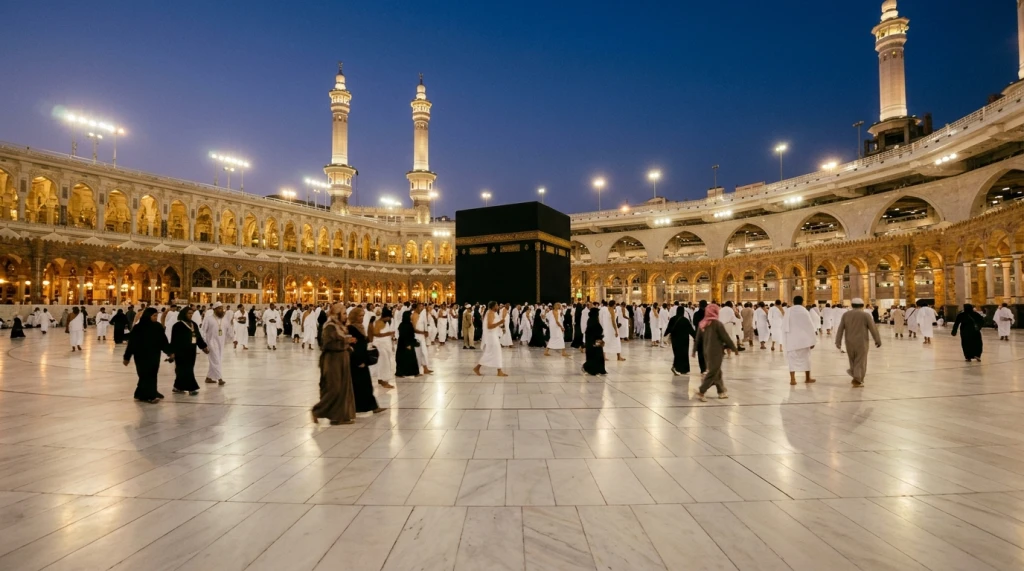
The Umrah calendar follows the Hijri calendar, which means it shifts back by roughly eleven days each year relative to the Gregorian calendar. Consequently, which season a given period—such as Ramadan—falls in changes from year to year. This needs to be addressed at the outset of planning, because the question of "a winter Umrah or a summer Umrah" is really a matter of temperature, crowds and budget preferences rather than time zones.
Why the Hijri Calendar Is So Decisive
Because the Hijri year is shorter than the Gregorian year, Umrah periods drift seasonally every year. Ramadan, which currently falls in December, will within a few years move to October and then to mid-August. Over the years, this drift can mean the same person experiences both a "mild-weather Ramadan Umrah" and a "Ramadan Umrah in the full summer heat." Therefore, when planning by season, you should look not only at fixed labels such as "Ramadan" or "summer," but at the actual weather conditions in Mecca on your intended dates. Mecca sits at roughly 277 metres above sea level in the subtropical climate zone; daytime temperatures in the shade can reach 40–45 degrees in summer, while in winter days may range from 20–28 degrees and nights from 10–15 degrees.
The Ramadan Period: The Peak of Crowds
Ramadan is the most preferred period for Umrah. It is important to state clearly what this means in practice: the crowds at the Masjid al-Haram and the Prophet's Mosque increase to a degree that cannot be compared with the rest of the year. The areas for tawaf and sa'i become especially crowded after taraweeh. In enclosed areas you may need to wait in line, and outdoors you may need to endure long walking distances.
On the other hand, the atmosphere Ramadan creates cannot be found at any other time of the year. There is an environment where the sound of the Qur'an rises in every corner of the Masjid al-Haram, iftar tables spread across the courtyards, and tens of thousands of people turn in the same direction at once. If you wish to experience this, you need to prepare well in advance for the crowds; it is important that elderly or mobility-impaired individuals assess this accordingly.
During the last ten days of Ramadan—particularly the days close to Laylat al-Qadr—the crowds intensify even further. In this period hotel reservations fill up long in advance, and access to worship areas may occasionally be restricted. For this period, early booking is not a preference but a necessity.
The Winter Period: A Balanced Option
The winter months outside the month of Dhu al-Hijjah—stretching from November to February—can generally be described as "balanced" for Umrah. Weather conditions are relatively cool and tolerable; daytime walks, waiting in the mosque's courtyards and physically demanding activities such as the sa'i corridor are more manageable.
Crowds are noticeably smaller compared with the Ramadan period; however, this does not mean the period is uncrowded. Visitors from around the world create a continuous flow throughout the year. Still, it can be said that tawaf queues are shorter and entry to the Rawdah al-Mutahharah is possible with comparatively less waiting.
A point to watch in winter: in Medina, nights can be quite cool, even cold. Going with only summer clothing can come as a surprise. A light outer layer becomes essential, especially for time spent outdoors before and after the dawn prayer.
The Summer Period: Hot but Calm
June to September is Mecca's hottest period. Temperatures measured in the shade rise above 40 degrees, and walking in the sun can be exhausting even for short periods. The Zamzam route and the area around the Haram are largely air-conditioned; however, walks from the hotel to the mosque, waiting times in open areas and strolling through Mecca's streets can be taxing.
Nevertheless, the summer period is one of the calmest times of the year in terms of crowds. Performing tawaf at the Masjid al-Haram during a non-Hajj summer week is a very different experience from Ramadan; it may be possible to pray close to the Kaaba without long queues. For visitors who are physically healthy, heat-tolerant and want to avoid crowds, summer may be a more suitable period than it appears.
During a summer Umrah, do not neglect water intake. Stopping regularly at the Zamzam taps inside the Haram and always carrying a small water bottle should be established as a practical habit. Keeping time outdoors short during sunny hours—especially between noon and the afternoon prayer—is beneficial.
Duration of Umrah and Daily Routine
Umrah tours are generally planned for 7 to 15 days. Short tours—7–10 days—offer an intensive but complete program; longer tours make it possible to spend more time in both Mecca and Medina. Which length is appropriate largely depends on the person's physical condition, budget and the period.
The daily routine is largely organised around prayer times. Getting up before the dawn prayer, spending the hours between Fajr and sunrise in the Haram, then resting and returning to the mosque in the afternoon is a common pattern. Night prayers—especially during Ramadan—become an important part of the daily program. Mentally preparing for this rhythm in advance makes it easier to manage physical fatigue.
Which Period Is Better for Whom?
Each period has its own advantages and challenges. To lay this out in a table:
- Ramadan: The most intense and meaningful period in terms of atmosphere; however, there are crowds and the necessity of early booking. Suitable for physically healthy people who are prepared for crowds.
- Winter (outside Ramadan): Balanced weather, relatively calm environment. Can be considered the most practically comfortable period for elderly visitors or first-time travellers.
- Summer: Serious heat, but few crowds. May be preferred by those who tolerate heat well and want to spend quieter time in sacred spaces.
- Hajj period (Dhu al-Hijjah): Umrah can be performed during this time, but the Hajj crowds affect the entire region; this period should be considered separately.
Practical Planning: Duration, Transport and Things to Watch
Flights from Turkey to Saudi Arabia are available from many major cities, especially Istanbul. The nearest airport to Mecca is King Abdulaziz Airport in Jeddah; the journey from there to Mecca takes about 90 minutes. Medina's own airport is also actively used, and some tours organise the route starting in Medina and ending in Mecca, or vice versa.
An Umrah visa is mandatory. The application process, required documents and passport validity conditions may vary according to the official institutions of Saudi Arabia and the current sources of the Turkish Ministry of Foreign Affairs; these details must be verified before travel.
It is useful to make practical preparations regarding ihram clothing and how to use it; guidance publications from the Presidency of Religious Affairs (Diyanet) can be consulted on this. Essential items to pack include thin, breathable clothing, comfortable walking shoes, sunscreen, a small backpack and an umbrella. Medical needs—including chronic medications—should be fully prepared and carried with you.
Before joining a tour, you can compare different programmes and choose the one that suits you among the umre turu seçenekleri to clarify the period and duration. Current prices are listed on the tour page.
What to Look at When Choosing a Period
To determine the right period for Umrah planning, you need to weigh three main factors together: physical endurance, tolerance for crowds and the weather conditions on those dates. If you prioritise the spirituality of Ramadan and are ready for the crowds, that period is meaningful. If you want a calmer visit, the winter months offer a balanced option. If you can cope with heat and want to avoid crowds, the summer period may also be worth considering. No single period suits everyone equally; make the decision according to your own circumstances.