


Daily Life in Mecca and Medina During Umrah: Time Management and Practical Arrangements
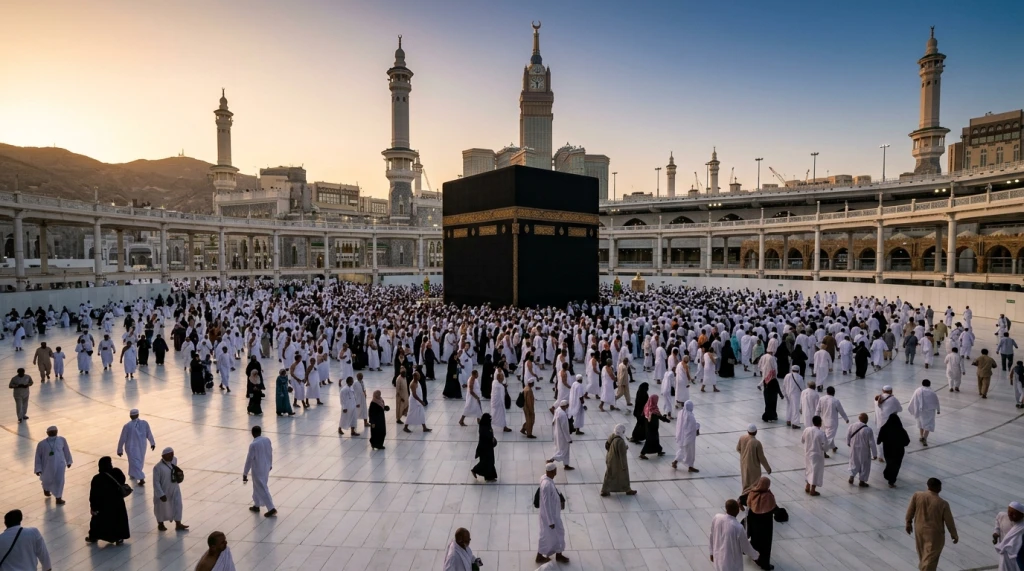
Before embarking on an Umrah journey, the questions that often come to mind are usually not about the content of worship but rather logistics: How many hours per day are spent in the Haram? When does the crowd become most overwhelming? How is the transfer to Medina planned? These questions directly affect the quality of being there. The following information provides a practical framework for those who wish to understand that rhythm in advance.
The Daily Rhythm: Prayer Times Govern Everything
In Mecca and Medina, daily life revolves around the five daily prayers. Approximately one hour of intense activity occurs before and after each prayer time; these waves are felt both inside the Haram and in the surrounding streets. The morning (Fajr) prayer time is the calmest yet earliest part of the day. During these hours, there are fewer people around the Kaaba, and the weather is relatively cool. The period between noon and afternoon prayers is both the hottest and the most crowded; walking long distances during this time can be exhausting. The short interval between evening and night prayers forms the most intense and spirited moment of the day for many visitors. Planning your daily schedule according to these prayer times is the most functional way to protect yourself from crowds and excessive fatigue.
How Time Passes in Mecca
The duration of stay in Mecca typically ranges from seven to fourteen days, depending on the structure of the program and personal preference. Most of the day is dedicated to traveling to and from Masjid al-Haram and spending time there. Even hotels closest to the Haram may require walking through a crowd lasting fifteen to twenty minutes during peak periods. This distance becomes significantly heavier, especially on Fridays and as the Hajj season approaches. Besides Tawaf and Sa'i, there are other sites to visit within Mecca: Mina, Muzdalifah, and Arafat are at the top of the list. However, these areas are generally visited according to the tour program structure; reaching them individually can be both complex and time-consuming. For those wishing to shop near the Haram, the surrounding area hosts numerous commercial centers; however, congestion increases significantly in these areas, particularly around iftar times.
A Different Tempo in Medina
Medina is considered quieter by most visitors compared to Mecca. The courtyard of Al-Masjid an-Nabawi is spacious, allowing crowds to disperse more easily. Nevertheless, the periods before and after the Fajr prayer are also active here; parking lots and main roads can become quite congested when trying to reach the mosque early. The focus of the Medina program is Al-Masjid an-Nabawi; in addition, Quba Mosque and the Uhud area are included in standard tour routes. These visits are typically completed with a tour guide in half to a full day. The accommodation duration in Medina is mostly three to five days; during this time, it is possible to maintain a slightly slower daily pace. Care must be taken for foot health: walking an average of eight to twelve kilometers per day is common.
Crowd Management: Which Hours Are Less Crowded?
Crowds in Mecca never completely disappear, but some hours pass noticeably more calmly. The period from midnight until the Fajr prayer offers relatively empty moments inside the Haram. On the other hand, the second or third hour of the afternoon combines high heat with heavy crowds; planning activities requiring long waits during these hours can be exhausting. It should be noted that the situation changes entirely during Ramadan: Mecca becomes much more crowded throughout Ramadan than in other parts of the year; visitors from every city and country gather there simultaneously. During this period, the hours between iftar and suhoor are extremely dynamic but can also be overwhelming. Those considering performing Umrah during Ramadan should keep in mind that both spiritual intensity and physical hardship occur together.
Traveling from Mecca to Medina or Vice Versa
The distance between the two cities is approximately 450 kilometers. The High-Speed Train (Haramain Express) covers this route in less than two hours, offering a comfortable alternative. The bus option takes longer, ranging from four to five hours; this option is mostly used in tour programs. While flying is technically available, considering transfers and airport shuttles, it may not be more advantageous than the train. The direction of travel—whether Mecca first then Medina, or vice versa—is determined by the tour program. Both sequences have their practical advantages and disadvantages; the recommendation of the tour provider will be decisive. Being prepared in advance for issues such as missing vehicles, traffic, and luggage organization on the day of transfer significantly eases the process.
Luggage and Daily Carrying: Practical Preparation
Packing for Umrah is done once, but carrying items daily is repeated every day. Items to take when going to the Haram are simple: water, a light snack, a small prayer mat (preferably thin and quick-drying types, as they may get wet with Zamzam water), an umbrella, or sunscreen. The bag size should be kept small; since security checks are conducted upon entry to the Haram, large bags waste time and may not be allowed inside. Separate preparation is essential for Ihram: ensuring the unstitched white fabric remains uncreased and having enough spare sets is important. For women, layering headscarves and wearing long-sleeved, long-skirted clothing are standard; additionally, non-slip, laceless shoes significantly enhance daily comfort. Medications and personal health supplies may not always be easy to obtain on-site, so preparing them in advance is safer.
Practical Information for Planning
The recommended minimum duration for an Umrah journey is twelve to fourteen days; eight to ten of these days are spent in Mecca, and three to five in Medina. Although shorter programs exist, intensive physical activity over a short period increases fatigue. The calmest periods are generally the months of Rajab and Sha'ban; as Ramadan and the Hajj season approach, both crowds and logistical complexity increase significantly.
- Flight: Direct flights are available from Istanbul or other major airports to Jeddah (King Abdulaziz) or Medina; the tour program determines which airport serves as the entry point.
- Accommodation: Hotels within walking distance of the Haram greatly impact the daily pace; asking about the hotel's distance from the Haram in the tour package is an important detail.
- Visa: An Umrah visa must be obtained separately for Turkish citizens; since this rule may change, it should be confirmed via current sources from the Saudi Arabian Consulate or the Ministry of Foreign Affairs before travel.
- Season: Winter months (December–February) are milder in terms of weather; in summer, temperatures in Mecca can exceed 40 degrees Celsius.
- Tour selection: To compare different durations and accommodation options, you can review Umrah tour options to find one that suits your program.
Before You Set Off
Having a good experience in Mecca and Medina largely depends on setting realistic expectations. Walking distances are long, crowds are inevitable, and the body gets tired every day. However, someone who knows the daily rhythm in advance and prepares accordingly will better protect their body and return from the journey more peacefully. Paying special attention to logistical details such as accommodation location, the mode of transfer between the two cities, and group size when choosing your program will prevent most surprises later on.
You can review Umrah tour options covering this region to find one that fits your program.