


Things to Know Before Visiting Mardin: Stone Streets, Historic Buildings and Visiting Tips
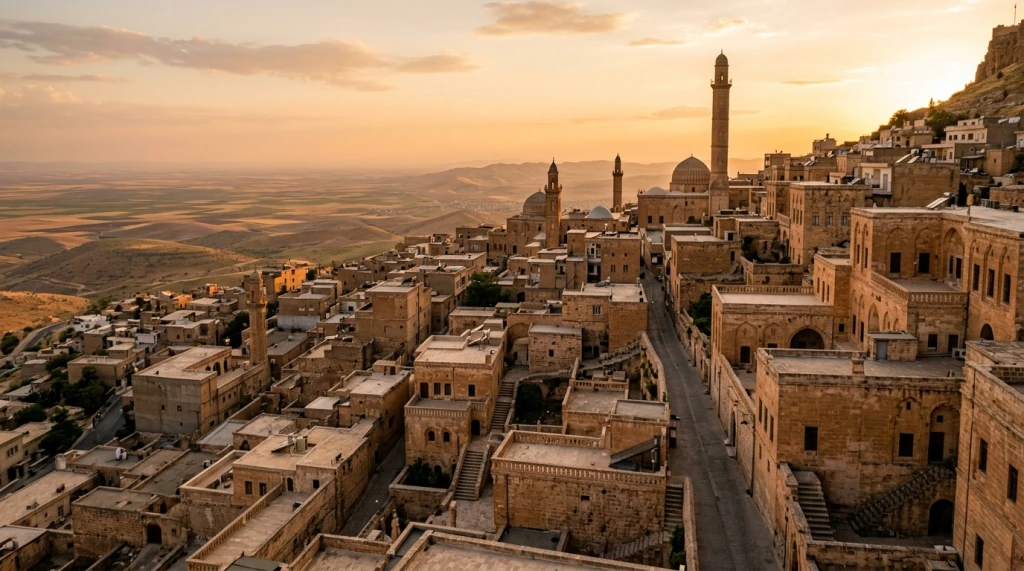
Mardin is an ancient city in southeastern Türkiye, built on a rocky ridge about 1000 meters above sea level and overlooking the Mesopotamian plain. Its architectural fabric largely dates from the medieval period; houses, madrasas, churches and mosques built from honey-yellow cut stone are intertwined. The traces of Syriac Christians, Kurds, Arabs and Turks living together for centuries in the region are still legible in its buildings, its cuisine and daily life. Understanding this multi-layered structure before visiting Mardin will allow you to explore the city far more effectively.
Where Is Mardin, and What Kind of Place Is It?
The city is located in the Southeastern Anatolia Region, between Şanlıurfa and Nusaybin. The administrative center and the old city are two different areas: Artuklu district is the lowland area with new construction, while the historic fabric that comes to mind when "Mardin" is mentioned is in the old city on the hilltop. Most visitors spend all their time in this historic area. The main street of the old city, Birinci Cadde (First Street), runs east-west, and many important buildings are reached from it. However, the real Mardin experience lies in the narrow side streets descending north and south from this avenue; getting lost there is not a drawback.
When to Go: The Difference Between Seasons
Mardin's climate is continental with harsh extremes. Summers are long and very hot; in July and August temperatures can exceed 40 degrees, and walking the stone streets at midday becomes exhausting. Winters are cold and windy, but snowfall is rare. The most suitable periods to visit are March–May and October–November. In spring the surrounding plains turn green, and the morning light paints the stone facades a golden color. In autumn the crowds thin out and the weather is more favorable for walking. April is known to be especially beautiful; however, during periods coinciding with Ramadan and religious holiday breaks the city can become crowded with domestic tourists, so these dates should be taken into account separately.
How to Get to Mardin
Mardin Airport is located close to the city center, with direct flights from major cities such as Istanbul, Ankara and İzmir. The flight from Istanbul takes about two hours. Shuttle vehicles and taxis run from the airport to the old city; the distance is around fifteen minutes. For those arriving by road, connecting via Şanlıurfa or Diyarbakır is the most common route; from these cities it is a two to three hour drive to Mardin. It is possible to reach Kızıltepe, near Mardin, by train from Diyarbakır, but a separate transfer is needed from there to the city center. The old city itself is not suitable for touring by car; the streets are narrow and many points are accessible only on foot. If you plan to rent a vehicle, it is useful for plain tours and excursions to surrounding sites such as Deyrülzafaran.
Main Places to Visit
The Ulu Cami (Great Mosque) at the heart of the old city is one of Mardin's oldest places of worship, and the craftsmanship of its minaret is striking. Nearby, the Kasımiye Madrasa, with its courtyard and ornate portal, offers one of the best-preserved examples of Artuklu architecture. The Zinciriye Madrasa stands close to the highest point of the city, and the view from there over the plain is wide; in the afternoon the sun falls against this facade, so morning hours are more suitable for photography.
Deyrülzafaran Monastery lies about five kilometers east of the city center and has a history going back to the 5th century AD. Belonging to the Syriac Orthodox community, the monastery can be visited on a guided tour; on-site guides are available. Going early in the morning is recommended, as tour groups become concentrated in the afternoon. Elsewhere in the city, the Mor Mihail Church and various other Syriac structures are scattered; since some are active places of worship, it is wise to check visiting hours in advance.
Mardin Cuisine and Bazaar
Mardin cuisine reflects the broad range of Southeastern Anatolia but has a few flavors of its own. İçli köfte is not confused with çiğ köfte here; it is prepared with a pistachio and meat filling and fried. Kitel (boiled içli köfte) and onion dolma are also made with recipes specific to the region. Kaburga dolması (stuffed ribs) is served in large portions; a two-person plate can feed four. Sitting down for lunch at the small restaurants along Birinci Cadde is both economical and convenient. In the bazaar area you will find copper working, stone carving and filigree silverwork; even if you do not plan to shop, chatting with the local merchants is reason enough for a short pause.
Who It Suits, and Who It Doesn't
Mardin offers a great deal to travelers interested in architecture and history. It is a strong destination for those who want to see buildings from different faiths and cultures side by side, enjoy urban texture, and do not shy away from walking. Since the entire old city consists of sloping, stone-paved streets, access to some points may be arduous for visitors with walking difficulties. If you are looking for a beach holiday, nightlife or a crowded seaside atmosphere, Mardin is not the right choice. It can be visited with children, but it is necessary to avoid overloading car trunks and to allow time for the slow pace of walking. Those wishing to include Mardin in a GAP route combined with Şanlıurfa or Diyarbakır can find a match for their schedule among domestic tour options.
Practical Planning: Duration, Transport and Things to Note
- Two full days are enough for the old city alone; adding Deyrülzafaran and nearby villages, three days offers a more comfortable pace.
- Boutique hotels converted from the old stone mansions are common for accommodation; their locations shorten walking distances.
- Airport transfers should be arranged in advance; transport options may be limited especially for late-arriving flights.
- Check the current opening hours of the churches and monastery you plan to visit in advance; some may be closed on special days.
- April–May and October are ideal for walking; in July and August try to be outdoors before 09.00 and after 17.00.
- Cash is more widely used in the old city; some small shops and restaurants may not accept cards.
- The best light for the plain view is in the early morning; the stone facades reach their most distinct tones as the sun rises from the east.
- Besides Turkish, Arabic and Kurdish are also spoken in the city; you will not have trouble asking for directions, but a small online map application will be useful.
Final Check Before You Go
Mardin is not a place to be rushed through; it is a city that allows slow walking, pausing to look, and getting lost from time to time. When planning, keep in mind that the shape of your day depends less on how many historic buildings you see and more on how long you can walk and how much time you leave for meals. Leaving the surrounding excursions for the morning and the old city for midday to evening offers more advantages in both light and crowds. Once you have decided which season to go in, settling your accommodation and transport early provides real convenience, especially during holiday periods.